Address
No. 85, Wuhe Avenue, Longgang District, Shenzhen, China
Working hours
Monday to Friday 10:00 AM - 6:00 PM
Address
No. 85, Wuhe Avenue, Longgang District, Shenzhen, China
Working hours
Monday to Friday 10:00 AM - 6:00 PM
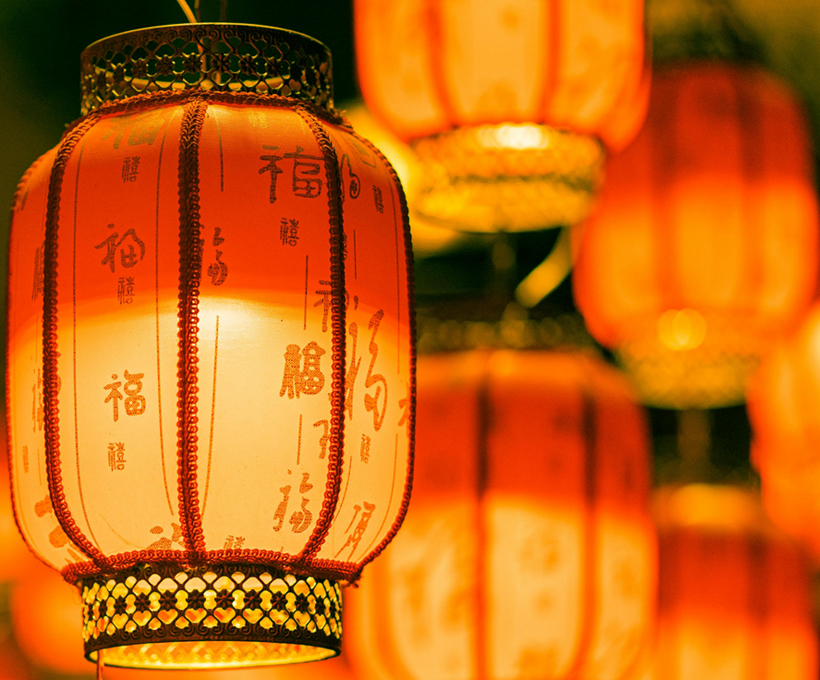
When I was a child, every time Chinese New Year approached, I would often hear my grandmother say, “Once the Laba Festival is over, it’s New Year.” I had no idea what that meant back then… but I clearly remember the elders in the courtyard starting to prepare various sweets: peanut candy, sesame candy, frozen rice cakes, roasted melon seeds, and the sweet aroma would fill the air… I was especially impressed by the tailor coming to the house to make new clothes—it was such an exciting time! Even though resources were scarce in those days, there was no lack of anticipation and joy.
Chinese New Year, a festival deeply rooted in culture and history, is the most important time of the year for the Chinese people. No matter where we are, the celebration of bidding farewell to the old and welcoming the new is always accompanied by a longing for reunion and blessings for the future. The origins of the Chinese New Year can be traced back to mythological times and ancient rituals. Legend has it that the monster “Nian” would appear at the end of each year, threatening the safety of the village. People used red decorations and firecrackers to drive it away. This story symbolizes the people’s pursuit of peace and a better life.
As time goes by, the significance of Chinese New Year has evolved. It is no longer just a ritual for praying for peace and harvests, but has become a grand celebration of culture and emotions. Poet Wang Anshi’s words, “Amidst the sound of firecrackers, the year is gone, and the spring breeze brings warmth into the new year,” vividly depict the festive atmosphere of Chinese New Year. During this time of renewal, the warmth of family is particularly touching.
The New Year’s Eve dinner is the grandest reunion feast for Chinese people. Families gather around the table, enjoying foods with auspicious meanings. Dumplings, shaped like ingots, represent wealth; rice cakes symbolize progress and promotion; fish, pronounced “yu,” symbolizes surplus and abundance. Similarly, JR-workshop’s “Abundant” handcrafted necklace also conveys the idea of abundance, inspired by the fish symbol.
On New Year’s Eve, staying up late to usher in the first light of the new year has become a common ritual for families, symbolizing the welcoming of the first ray of dawn. On the first morning of the new year, my mother would always get up early and make porridge with leftover rice from the New Year’s Eve dinner, mixing it with vegetables, reminding us, “Be like this rice—pure and honest!” Simple yet full of meaning… Then, putting on new clothes and visiting relatives and friends are the “must-do” activities for the New Year, with every “Happy New Year” and “Wishing you prosperity” turning into smiles and warmth.
Spring Festival decorations, such as couplets and the character “福” (fortune), are quintessential symbols of the holiday. The couplets are written on red paper, perfectly matching, carrying prayers for expelling evil and welcoming good fortune. The upside-down “福” character is said to bring “福到” (fortune arrives), and this unique folk custom adds fun to the holiday. In JR-workshop’s collection, the “Song Spring” brooch is also themed around the renewal of spring, with birds singing on branches, symbolizing the warmth of life and the breath of spring.
Today, Chinese New Year is not only a Chinese festival but also a cultural symbol celebrated by Chinese communities worldwide. Whether on the bustling streets in China or in overseas Chinese communities, the same festive atmosphere fills the air. As Chinese New Year customs integrate with modern life, they are infused with new vitality, spreading love and blessings that transcend time and space.
Every Chinese New Year, the warmth of past memories blends with the joy of the present, making us marvel at the power of tradition. During this special time, JR-workshop hopes to protect this cultural root and the hope of life together with you. May you and your family enjoy a joyful reunion, thriving in your careers, and may all your wishes come true! Just like the spring breeze, may these blessings fill your heart, and let us plant the seeds of dreams and hopes for the new year in this fertile soil.
To learn more about the cultural stories of Laba Festival, please click here.
💝 Warm Moments | Share with Us
What foods and customs are indispensable at your New Year’s dinner table? Do these dishes carry any special meanings?
Do you have any special stories about putting up the Spring Festival couplets at home? What’s the content of your couplets this year?
Which Chinese New Year customs have left a deep impression on you? Any unique celebrations or traditions you practice?
We invite you to share your Chinese New Year stories in the comments! Maybe the next great idea will come from you!